
Bishop Dr. Francis-Dehqani Calls for Caution Over IVF Reforms
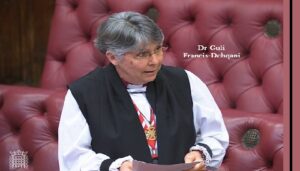
Bishop of Chelmsford Calls for Compassion and Caution in IVF Law Reforms
The Bishop of Chelmsford, Guli Francis-Dehqani, delivered a deeply personal speech in the House of Lords, sharing her own experiences with infertility, miscarriage, and IVF treatment before becoming the mother of three children. She described her children as “an extraordinary gift from God” and urged lawmakers to approach any reforms to fertility laws with sensitivity and care.
Speaking during a debate on the regulation of fertility treatment, Dr Francis-Dehqani acknowledged that she is not a scientist but stressed the importance of engaging with issues that affect many families across society. Drawing from her personal journey, she reflected on the emotional challenges of longing for children and undergoing years of medical treatment, including multiple IVF cycles and pregnancy losses.
“The debate focused on whether current fertility laws remain suitable in light of modern developments. It followed recommendations made by the Human Fertilisation and Embryology Authority (HFEA), which identified areas requiring reform, including patient safety, donor regulations, consent procedures, and emerging scientific advances.
“Dr Francis-Dehqani expressed gratitude for the medical breakthroughs that enabled her to have children but emphasized that parenthood should never be viewed as an entitlement. She argued that clear legal boundaries are necessary to ensure fertility treatments are carried out responsibly and ethically.
She also highlighted concerns about misleading IVF advertisements, particularly on social media, where some clinics promote unrealistic success rates. According to the Bishop, stronger oversight is needed to protect vulnerable individuals and couples seeking fertility treatment.
“While supporting updates to regulations in some areas, she raised reservations about proposals to extend the current 14-day limit on embryo research. Referring to the Church of England’s long-standing position on the value of human life at its earliest stages, she said embryos should continue to be treated with profound respect and that the existing limit should remain in place.
The Bishop also questioned proposed changes to consent procedures, warning that people undergoing fertility treatment are often under significant emotional strain. She argued that each decision within the treatment process should be considered carefully rather than grouped together under broad consent arrangements.
“Concluding her remarks, Dr Francis-Dehqani said that fertility policy affects not only individuals and families but society as a whole. For that reason, she urged policymakers to ensure any changes to the law are handled with both compassion and thoughtful consideration.
Responding on behalf of the Government, Baroness Blake acknowledged that while the current framework has served the country well, it requires updating to meet contemporary challenges and future needs.
“Later in the House of Lords, the Bishop also addressed concerns about the UK’s declining birth rate and ageing population. She warned that falling birth rates could have significant consequences for economic growth, public services, and the workforce.
Drawing on Christian teaching, she said children are a blessing not only to parents but to society as a whole, offering continuity between generations and hope for the future.
“However, she stressed that declining birth rates cannot be understood without considering broader social and economic pressures. Rising housing costs, student debt, and the increasing cost of living are making it more difficult for young people to establish stable homes and start families.
“Dr Francis-Dehqani argued that many younger adults feel the traditional expectation of securing a home and raising a family through hard work has become increasingly difficult to achieve. She called on the Government to address barriers that discourage family formation and to strengthen policies that consider the impact of legislation on family life.
She concluded by saying that demographic changes present serious challenges but also provide an opportunity to build a society that values families, supports parents, and enables future generations to thrive.